18 Easy Entertaining Platters That Look Effortless
There’s a certain relief in setting out food that doesn’t need constant tending. Platters let you do the work ahead, then step back and actually enjoy the moment. A little slicing, a bit of arranging, and suddenly the table looks abundant without feeling overworked. These spreads feel generous, look gorgeous, and quietly impress your guests.
Caprese Skewers
These are simple but oddly elegant once lined up on a platter. Mozzarella balls, cherry tomatoes, and basil leaves threaded onto skewers with just enough rhythm to look intentional. A drizzle of olive oil or balsamic at the end brings it together. They’re easy to grab, and that clean, fresh flavor always feels like a reset between heavier bites.

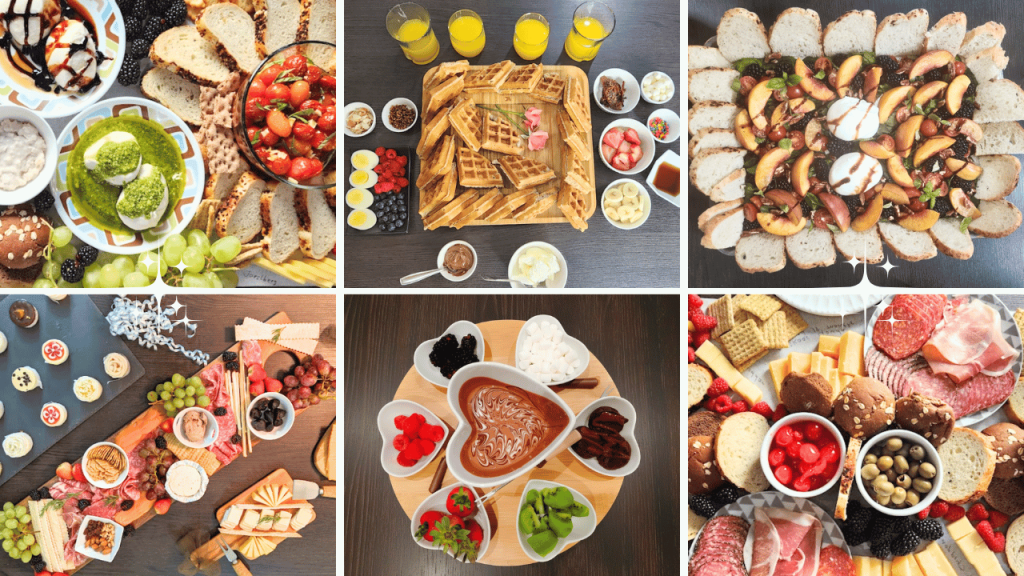
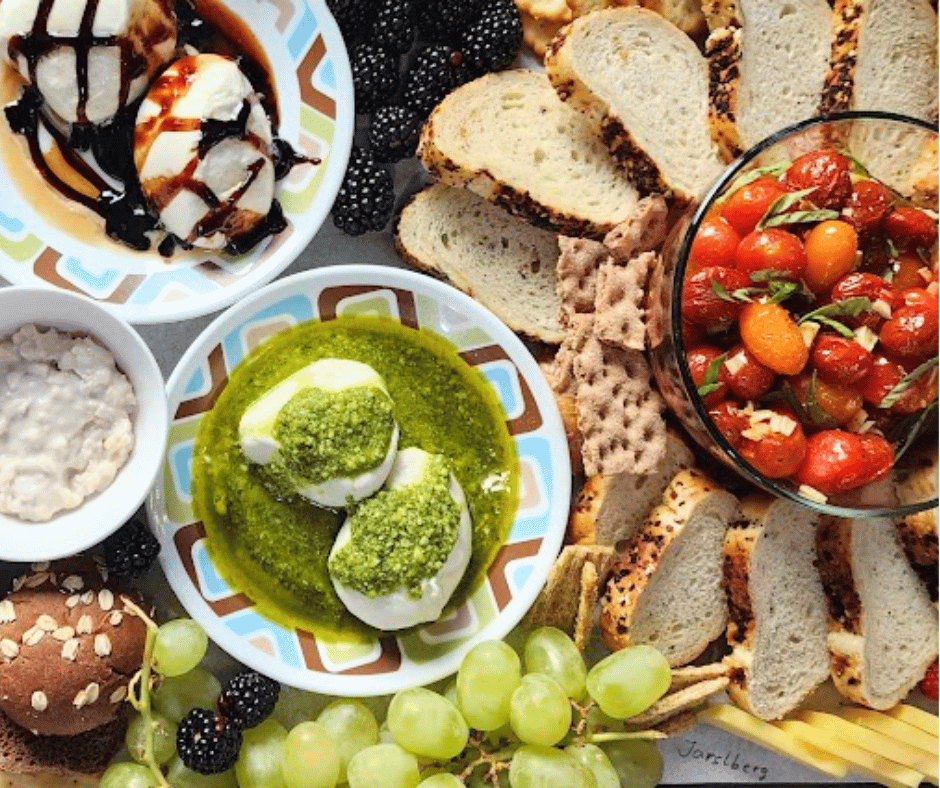
Bruschetta Platter
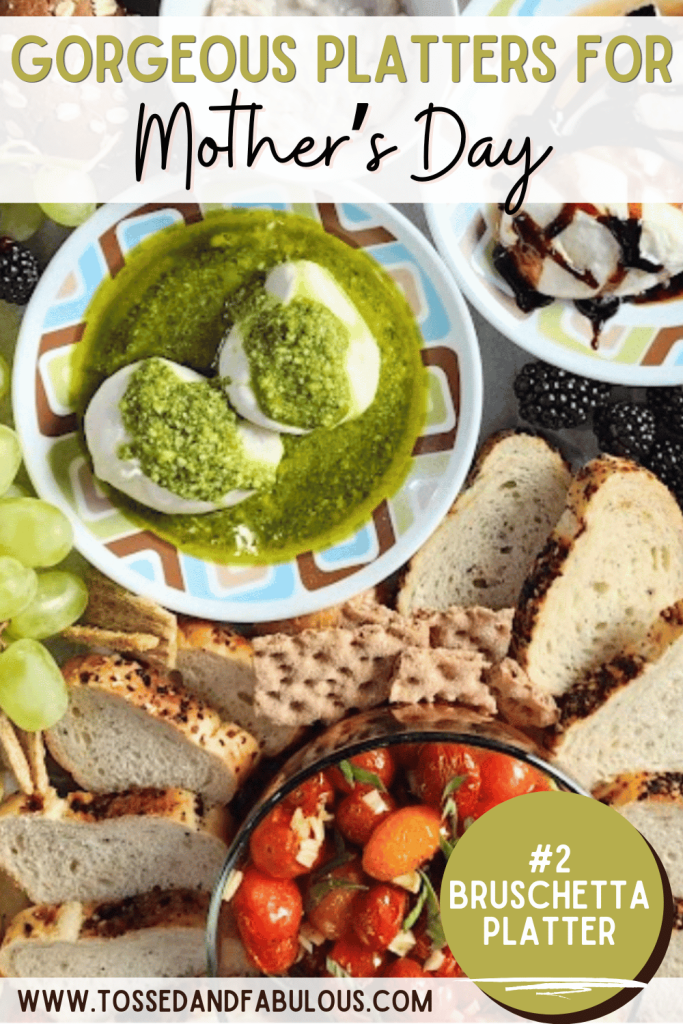
This one feels a little more tactile, with different breads scattered across the board and toppings that invite some improvisation. Burrata, pesto, balsamic, and those slow-roasted garlic tomatoes that slump just enough. It’s the kind of platter where people linger, building their own combinations, usually going back for one more without thinking twice.
Antipasto Platter
A bit of everything, but not in a chaotic way. Cured meats, olives, marinated vegetables, cheeses, maybe a few artichokes tucked in. It has that old-world, almost convivial feel where nothing needs to match perfectly. The variety does the work, and it’s easy to replenish without anyone really noticing.
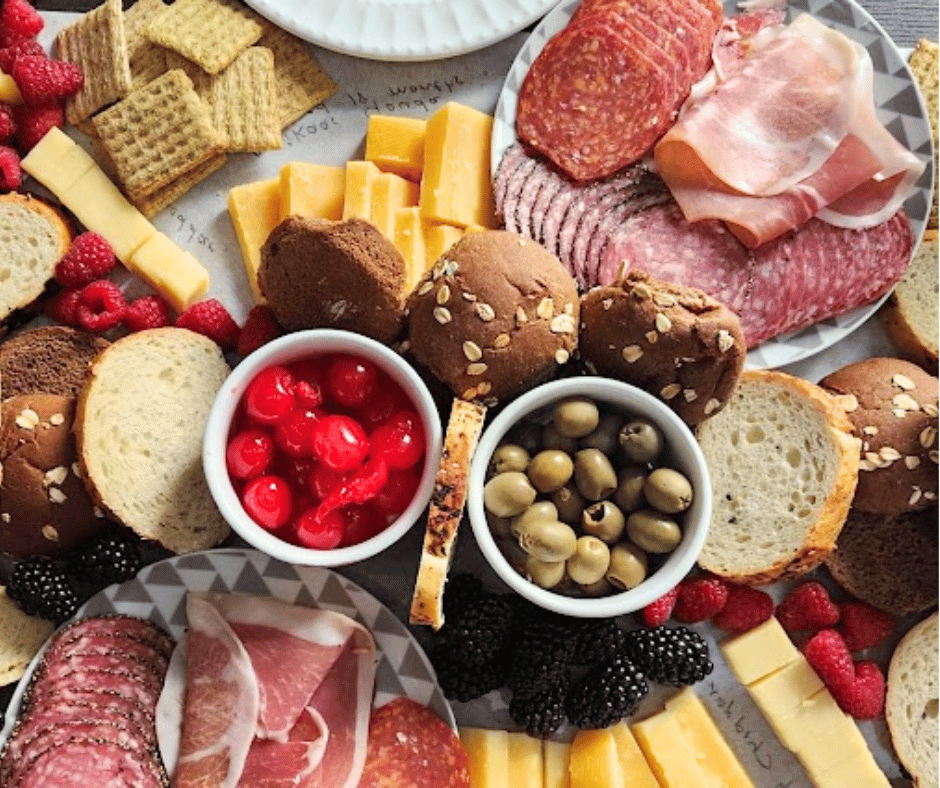
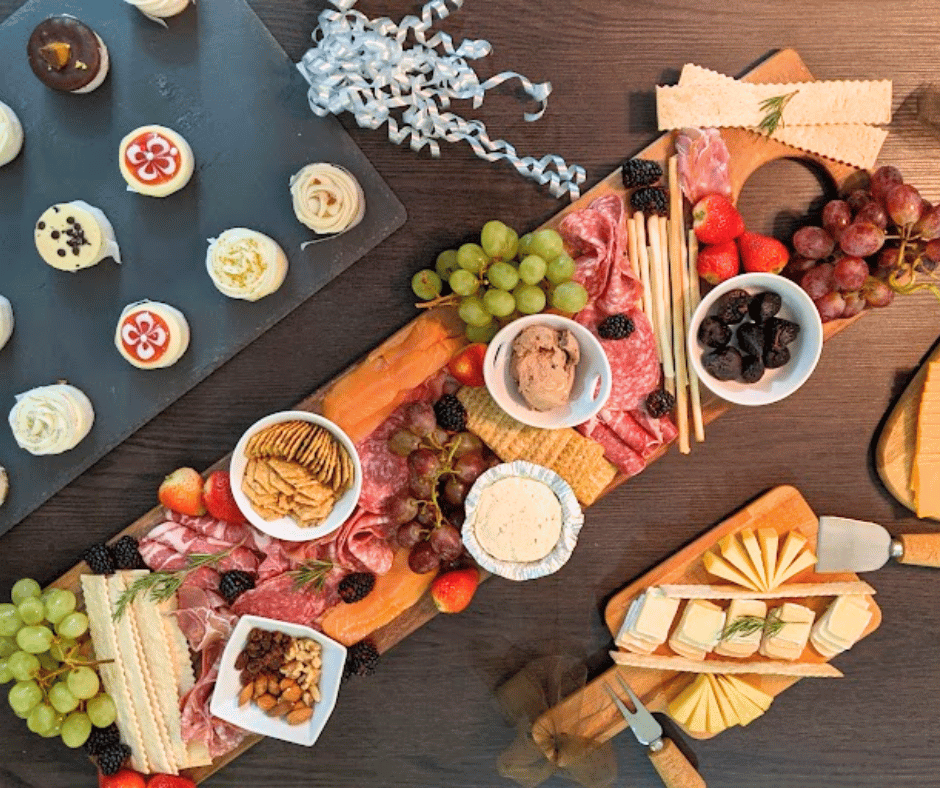
Charcuterie Platter
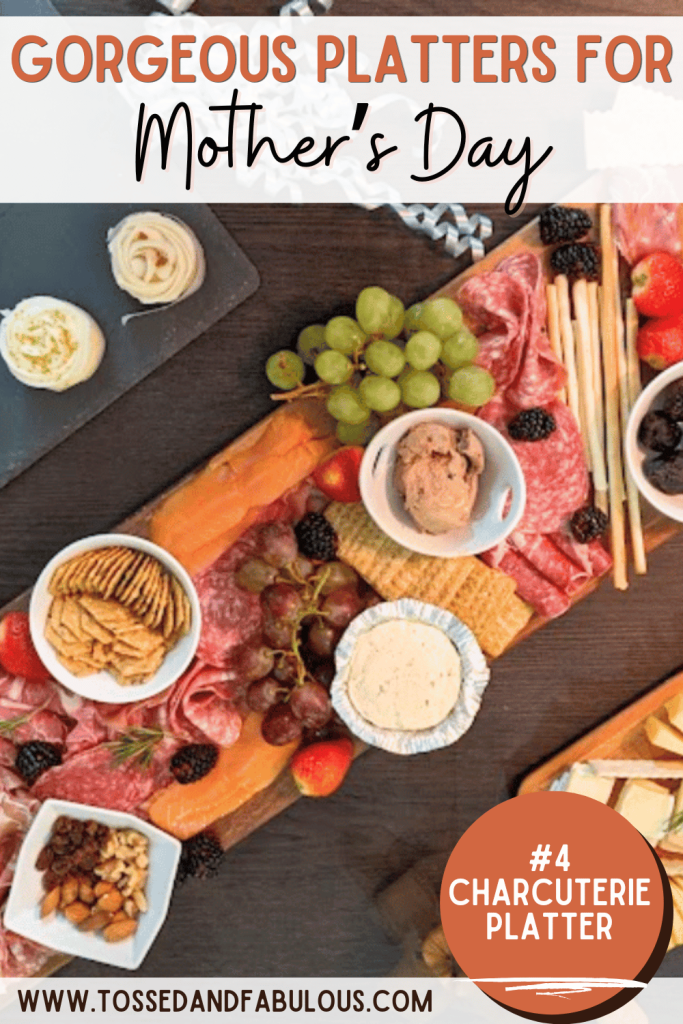
This is more about balance than abundance. A few well-chosen cheeses, slices of cured meat, something crunchy, something sweet. I like adding a small jar of jam or honey for contrast. It doesn’t need to be elaborate to feel complete, just thoughtfully arranged so every section looks like it belongs.
Pickles and Olives Platter
This one adds contrast to everything else. A mix of pickled vegetables, olives, maybe something spicy. It cuts through richer dishes and gives the table a slightly sharper edge. Not the main attraction, but it makes everything else taste better.
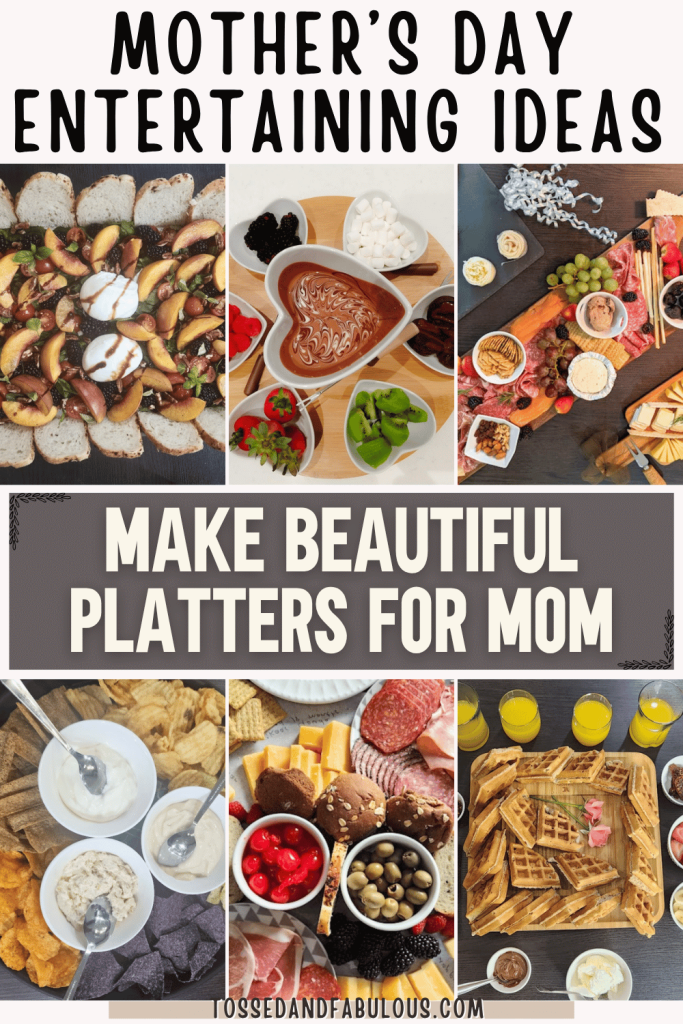
Chips and Dips Platter
There’s something reassuring about this setup. Bowls of dips nestled between piles of different chips, each one with its own texture. Sour cream dips, onion dips, maybe something a little sharper. It’s casual, a bit nostalgic, and always the first place people drift toward when they arrive.
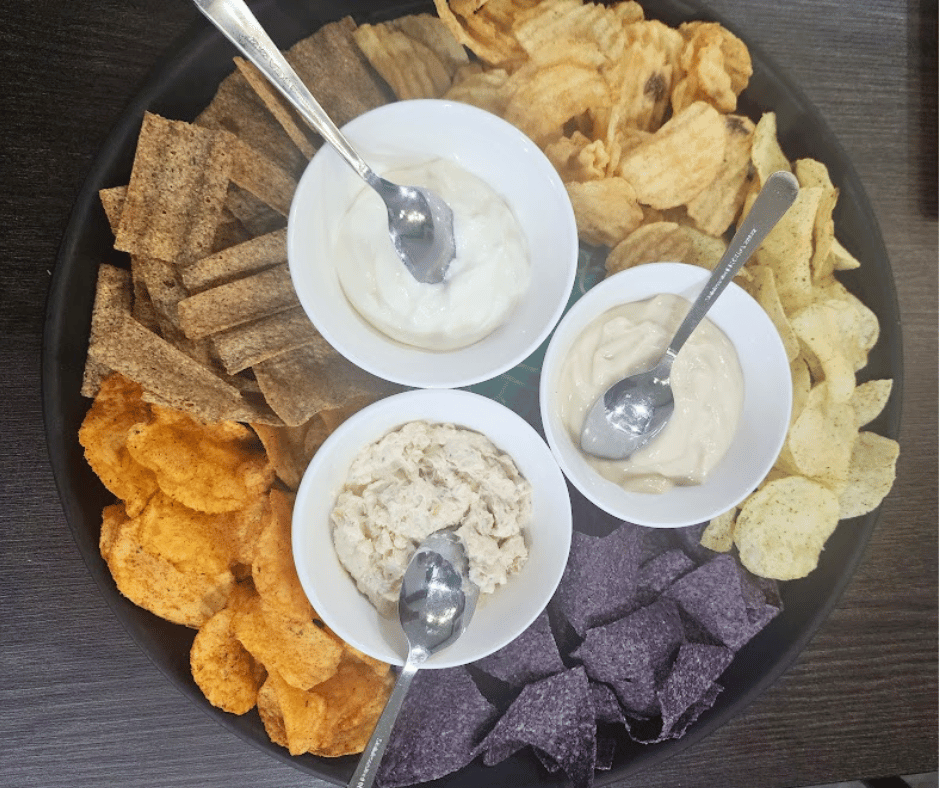
Watermelon Feta Salad
This one feels like a sigh of relief on a warm day. Juicy watermelon, salty feta, crisp cucumber, and fresh herbs scattered loosely across a platter. It’s bright, almost effervescent, and doesn’t need much beyond a light drizzle to feel complete. Best served cold, straight from the fridge.
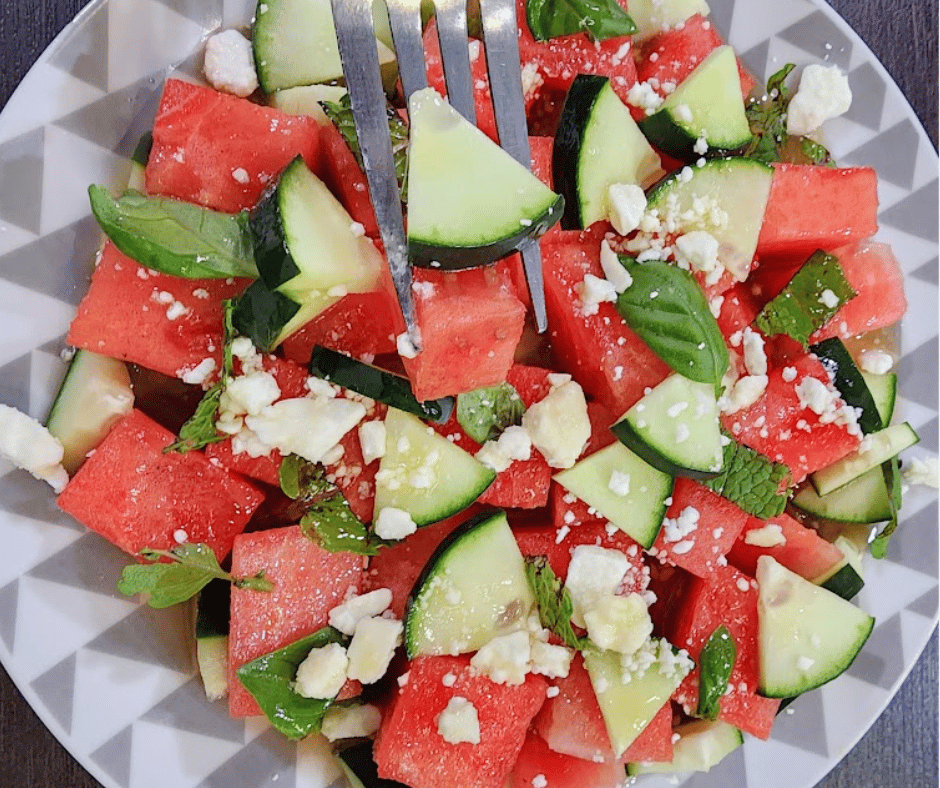
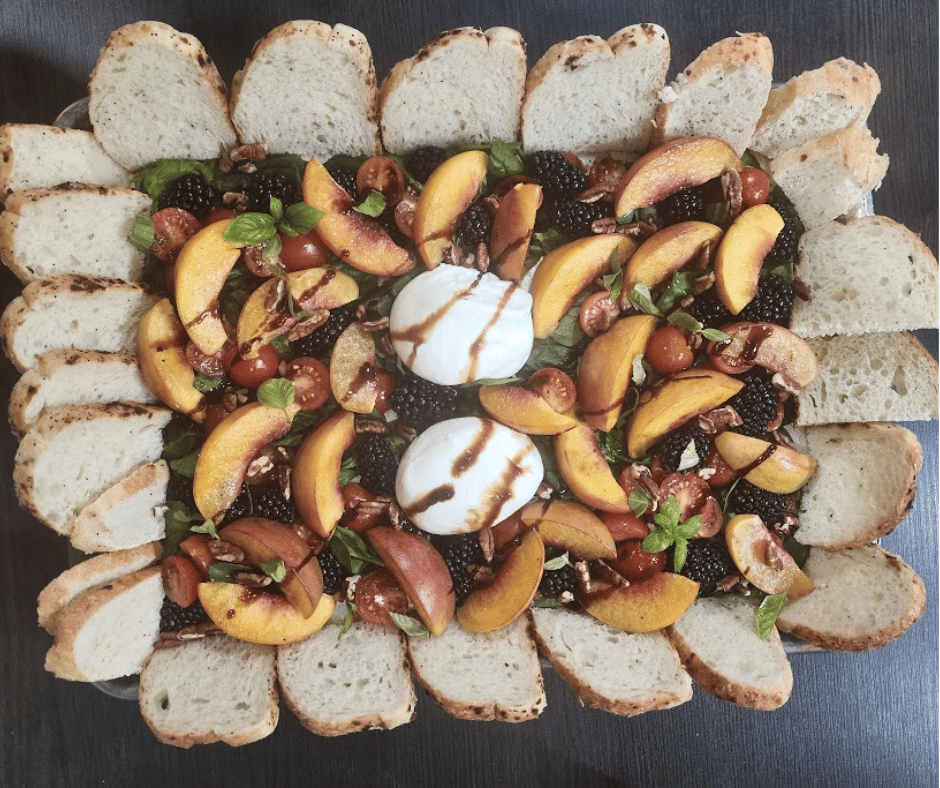
Grilled Peach Burrata Salad
Grilled peaches bring a soft sweetness that feels almost luxurious against the creaminess of burrata. Add greens, berries, and a few tomatoes, and the whole thing starts to feel layered without being heavy. It’s a little more composed than a typical platter, but still relaxed enough for passing around.
Hummus or Mediterranean Mezze Platter
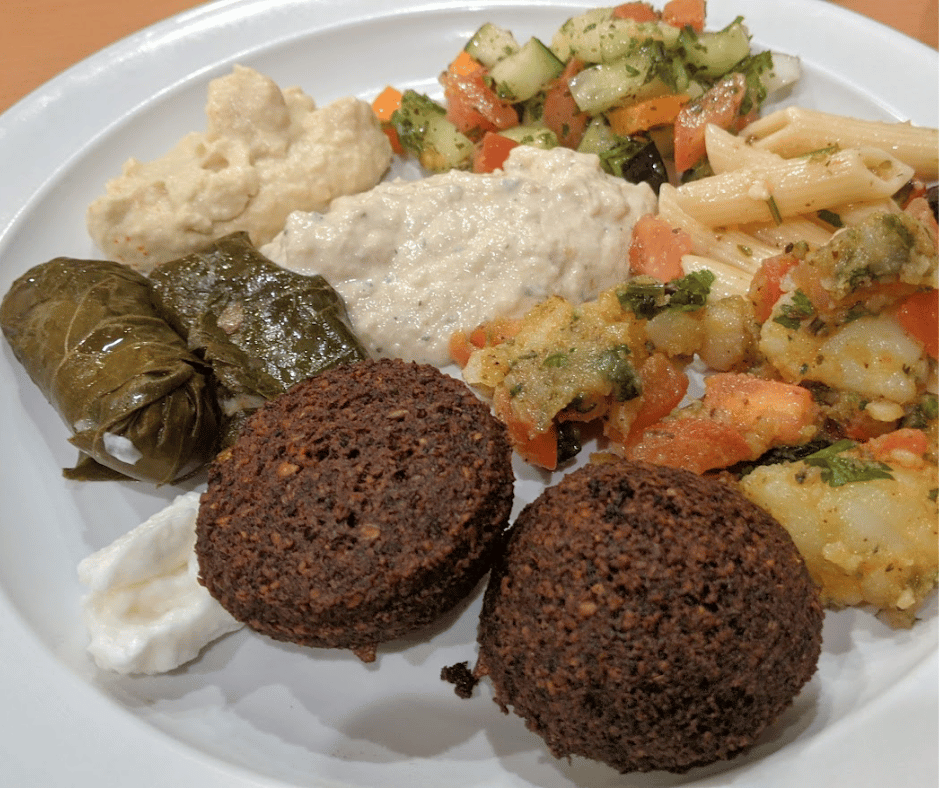
If you’re looking for easy lunch platter ideas, try this one. Create a wide and shallow bowl of hummus with a dip in the center, ready to catch olive oil and spices. Surround it with chopped vegetables, pita bread, olives, dolma, and falafel. It’s comforting and familiar, but has enough room for guests to play around with toppings and textures. Add tzatziki, feta cheese, baba ghanoush, maybe even some chicken kebabs to make it into a mezze platter.
Smoked Salmon Platter
This one has a quiet polish to it. Bagels sliced and fanned out, smoked salmon folded rather than stacked, small bowls of cream cheese, capers, onions, and cucumbers. It’s less about abundance and more about arrangement, each element placed so it feels intentional but still easy to reach.

Sandwich or Slider Platter
Mini sandwiches or sliders with cocktail picks arranged beautifully on a tray are one of my favorite platter ideas for dinner parties. They are easy to grab without committing to a large portion. You can customize fillings to keep it interesting. Some of my favorites are buffalo chicken sliders, chicken salad sandwiches, pulled pork sandwiches, cucumber mini sandwiches, and caprese sandwiches.
Veggies and Fruit Platter
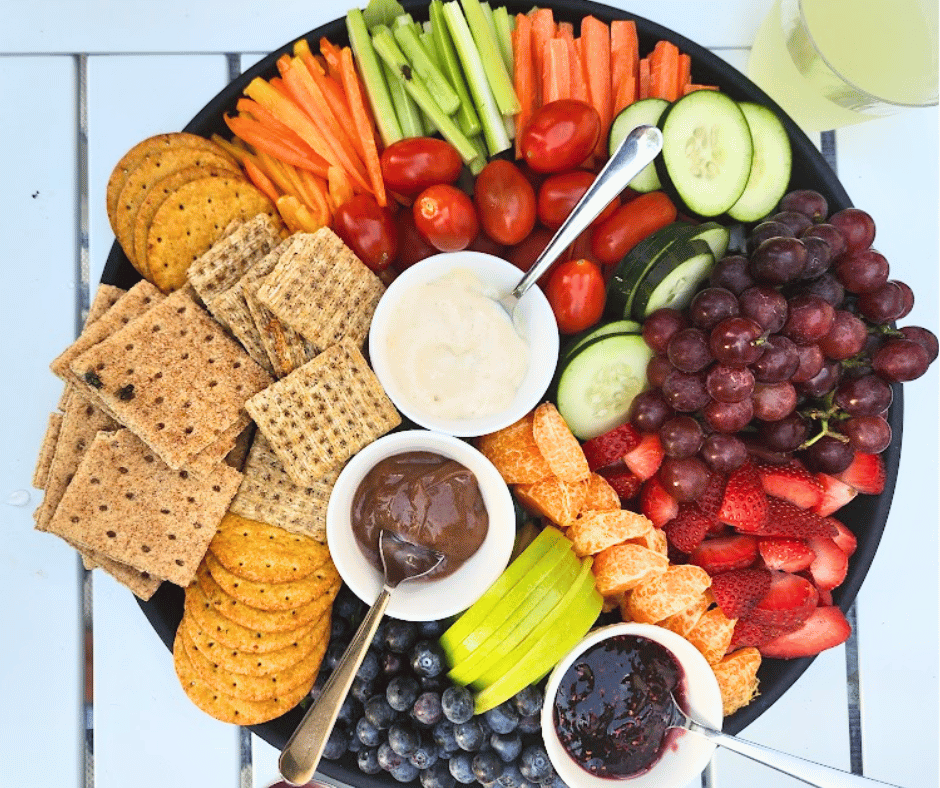
Behold a mix of color, tastes, and texture that almost arranges itself. Crisp vegetables, ripe fresh fruit, a couple of dips, variety of crackers for contrast – all served platter style. It’s the kind of platter that looks generous without trying too hard, and it gives people a healthier and lighter option to indulge in.
Deviled Eggs Platter
A classic that still earns its place. Arrange them tightly on a platter so they look full and intentional. You can keep them simple or add small variations. They’re easy to make ahead and tend to go quickly without much attention.
Yogurt and Granola Breakfast Platter
Good for brunch-style entertaining. Bowls of yogurt surrounded by granola, fruit, honey, and nuts. It’s fresh, a little lighter, and easy to assemble. People can build their own bowls, which keeps it interactive without adding work.
Waffle Platter
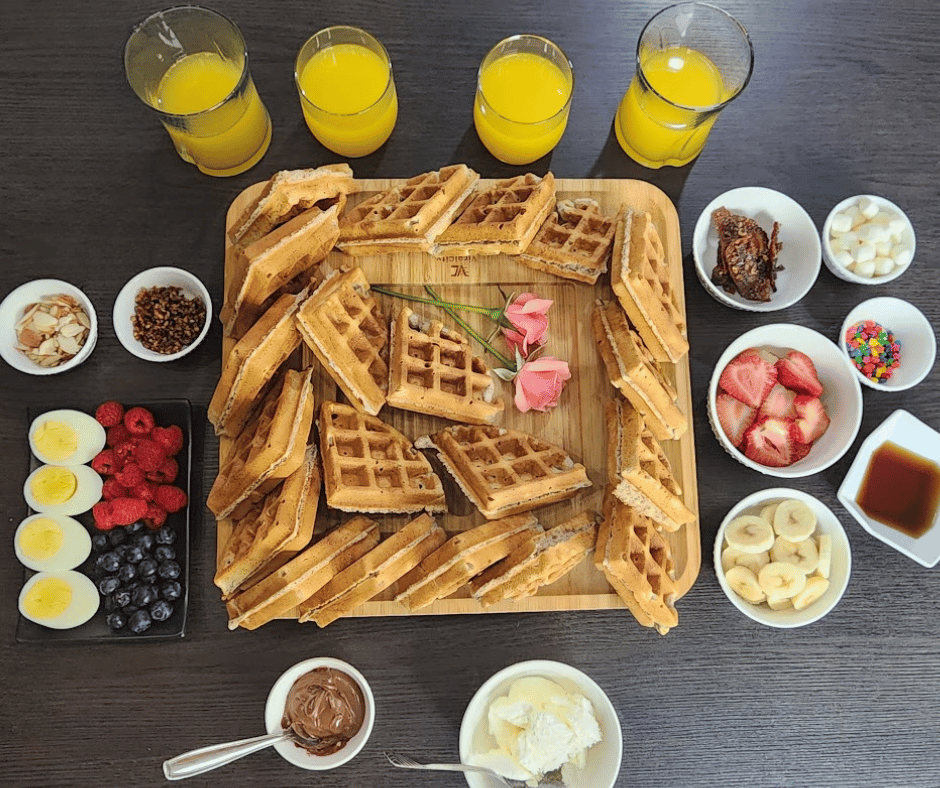
Warm waffles stacked slightly off-center, kept crisp in a low oven until serving. Surround them with bowls of fruit, syrup, Nutella, and whipped cream. It feels a bit playful, almost like a weekend breakfast stretched into something shareable. Add juice or eggs on the side and it turns into a full spread.
Dipped Chocolate Platter
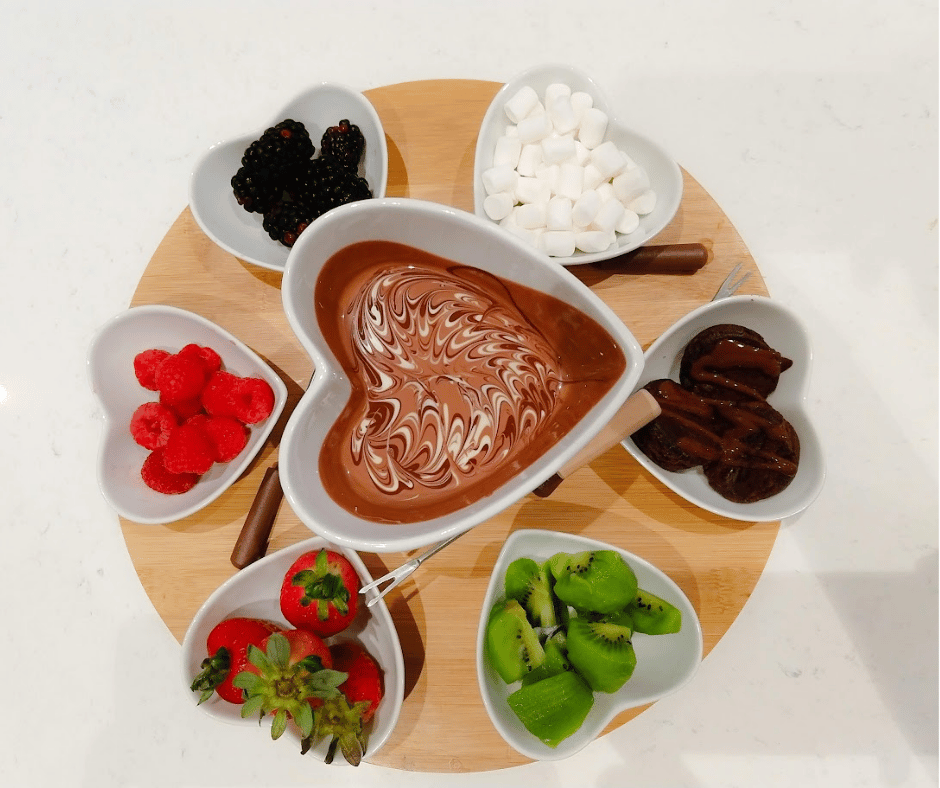
Melted chocolate in the center, fruit and small treats arranged around it, ready to dip. It has that slightly indulgent feel without needing much effort. The contrast of warm chocolate and fresh fruit does most of the work, and people tend to gather around it naturally.
Dessert Cookie and Brownie Platter
A more grounded alternative to the chocolate platter. A mix of cookies and brownies, cut into smaller pieces so people can try a bit of everything. It feels generous without being over the top, and it holds up well even after sitting out.
Pavlova
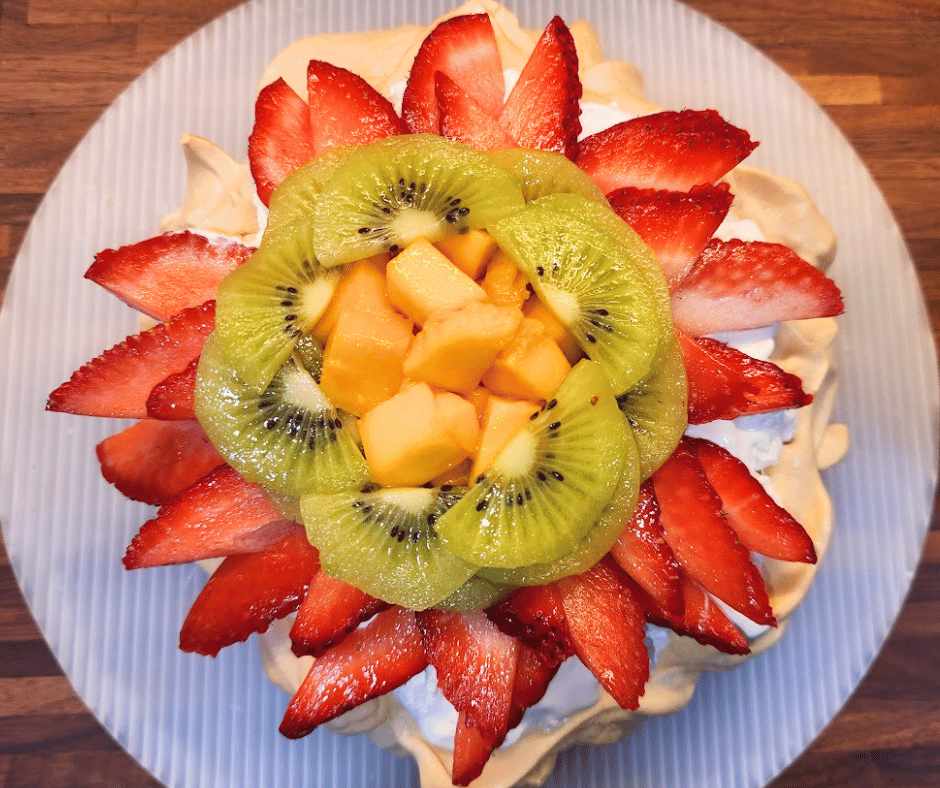
A pavlova set in the middle of the table feels quietly celebratory. Crisp on the outside, soft inside, topped with whipped cream and fruit. Instead of slicing ahead, let everyone serve themselves. It keeps the texture intact and adds a slightly communal, almost festive rhythm to the end of the meal.
Putting together a table like this takes a bit of intention upfront, but it pays you back once people arrive. Most of the work is done early, which means you’re not stuck refilling pans or juggling timing. You set things out, step back, and let the spread do its thing.
What I like about platters is how forgiving they are. You can swap ingredients, adjust based on what you have, or lean into whatever looks good that day. Nothing has to be exact. It’s more about how it feels when everything comes together. A table that looks full, a little varied, and easy to graze.
And once people start gathering around it, that’s when it really works. Conversations happen, someone builds a plate a certain way, someone else follows. It becomes less about the food itself and more about the rhythm of the evening. That’s usually a good sign you got it right.