The Ultimate Guide to Chicken au Poivre
Steak au poivre is a classic French bistro dish. The name literally translates to “pepper steak.” The technique is simple but recognizable: crust meat (traditionally beef) generously in cracked peppercorns, sear it hard, then build a pan sauce in the same skillet using the leftover fond.
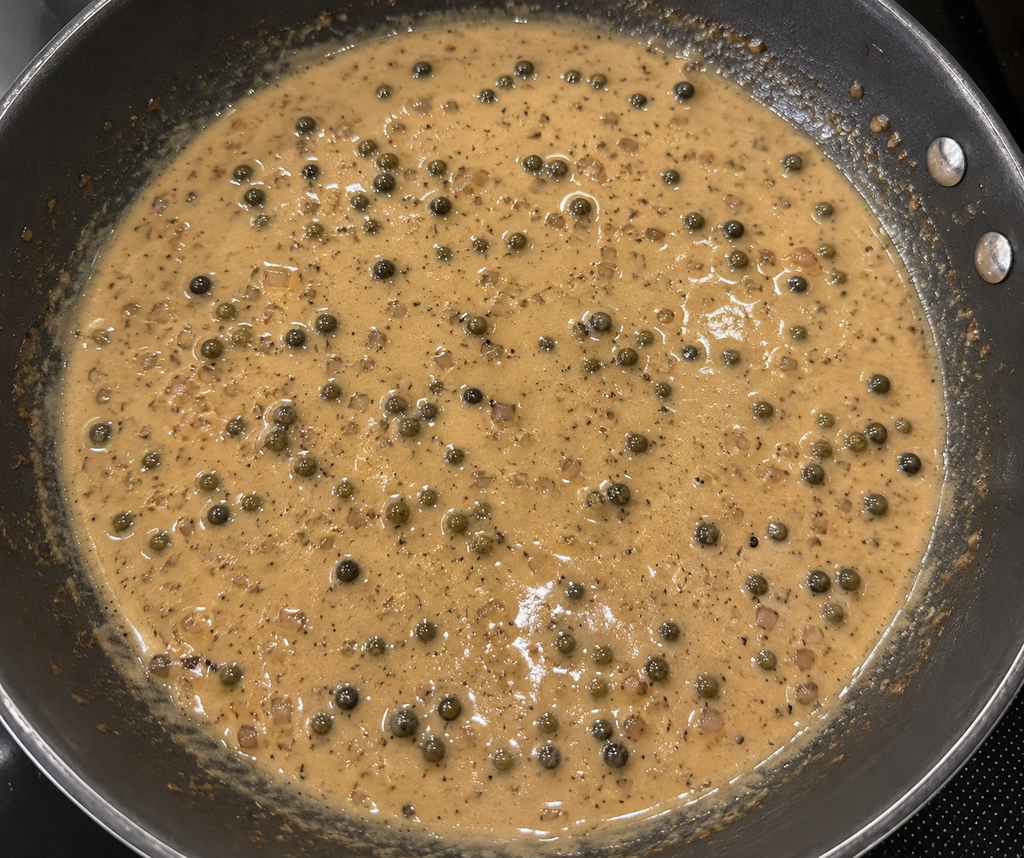
That sauce is what makes the dish so iconic. Shallots and garlic are sauteed until fragrant, a splash of cognac is added to deglaze the fonde and let the alcohol cook off, and finally heavy cream is stirred in to make that silky, peppery gravy.
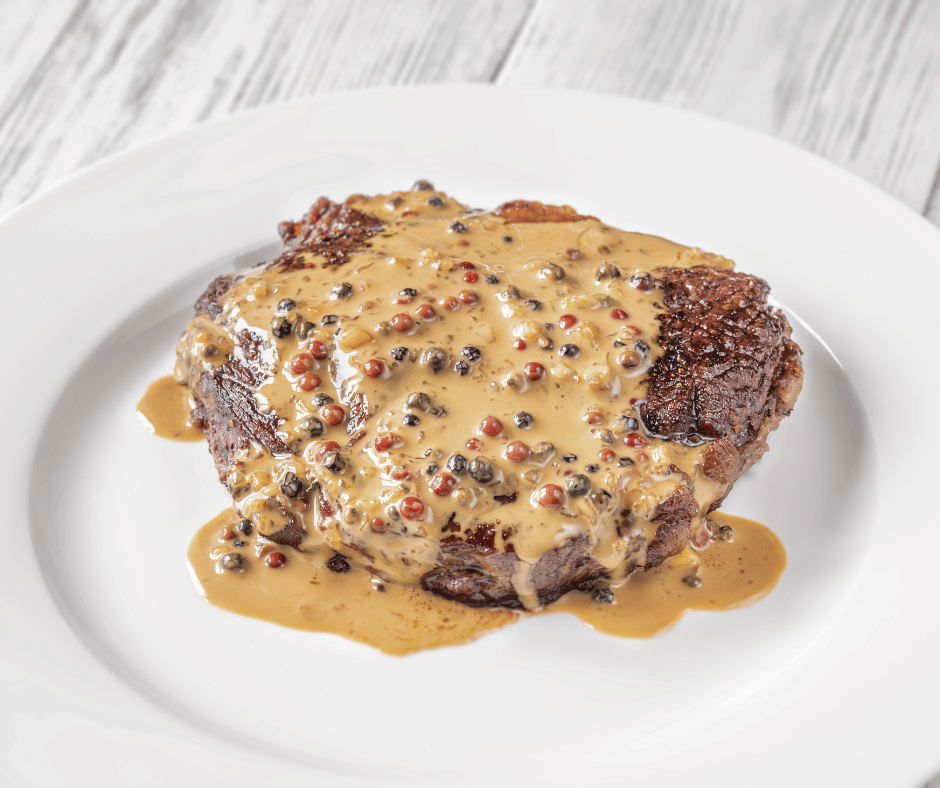
Cooking the sauce in the same pan you seared the meat in isn’t optional; it’s the whole point. All that browned fond stuck to the bottom is concentrated flavor, and it’s what turns a basic cream sauce into something that resembles a French restaurant.
Why Chicken au Poivre Is Having a Moment
In recent years, chicken au poivre has suddenly exploded in popularity, largely thanks to TikTok and Instagram. Home cooks are “discovering” that the classic steak treatment works beautifully on chicken, and it has became a viral favorite.
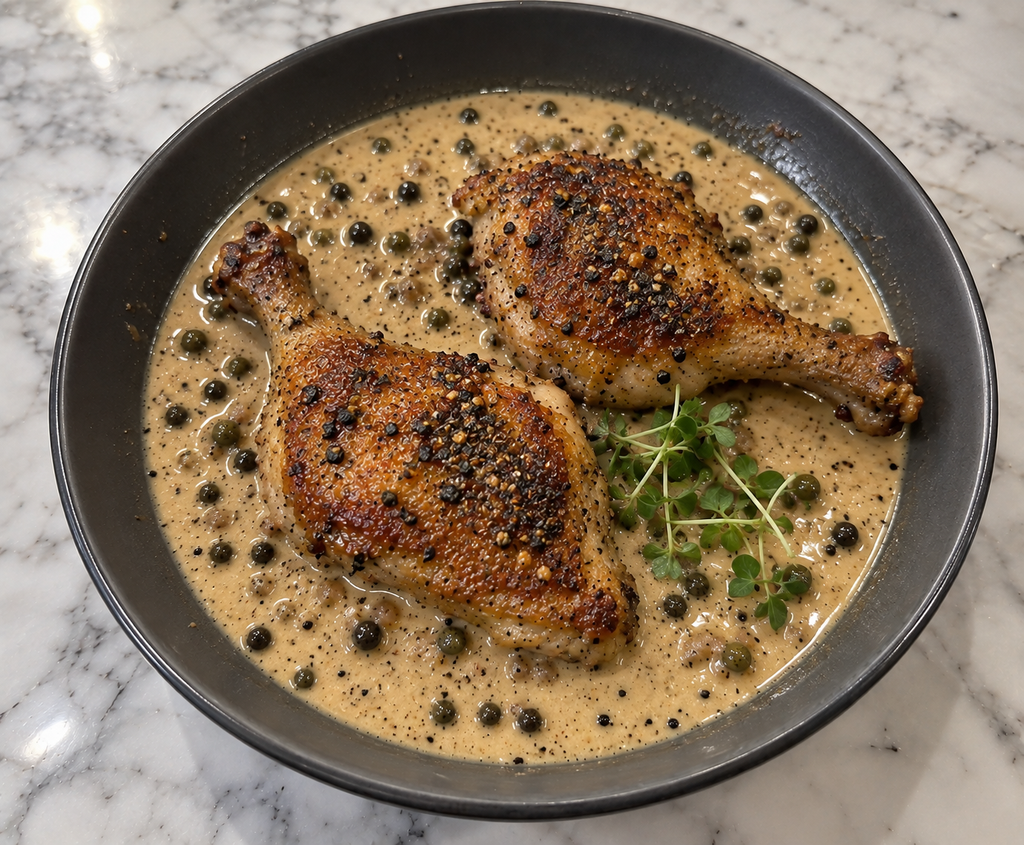
It makes sense why it caught on: chicken cooks faster, costs less than steak (especially important in current times), and is lighter and easier to digest. Many people actually prefer it to the original beef version – it more weeknight casual and doesn’t feel as splurging.
If you want to see well-tested takes on the recipe, both Molly Baz and The New York Times have popular versions worth looking at – so I won’t try to recreate my own! But I can tell you what mistakes you’re making and show you the tips and tricks that’ll help you nail this French sauce every single time.
Basic Chicken Au Poivre Recipe
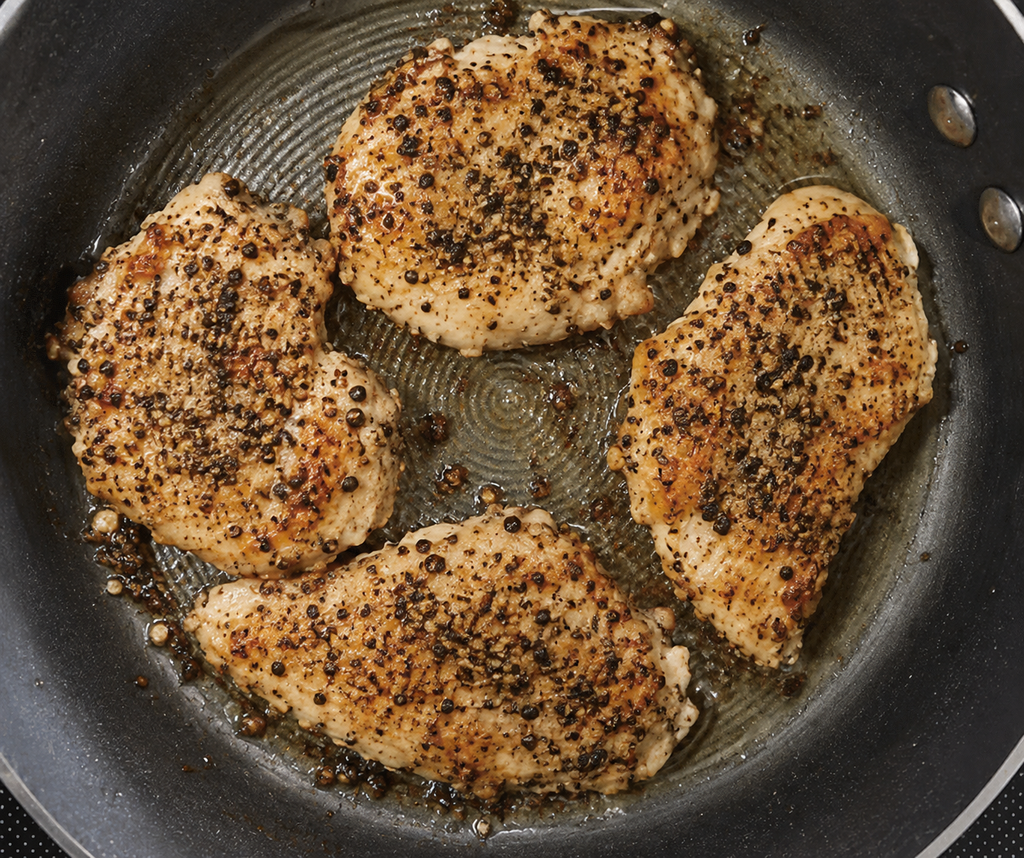
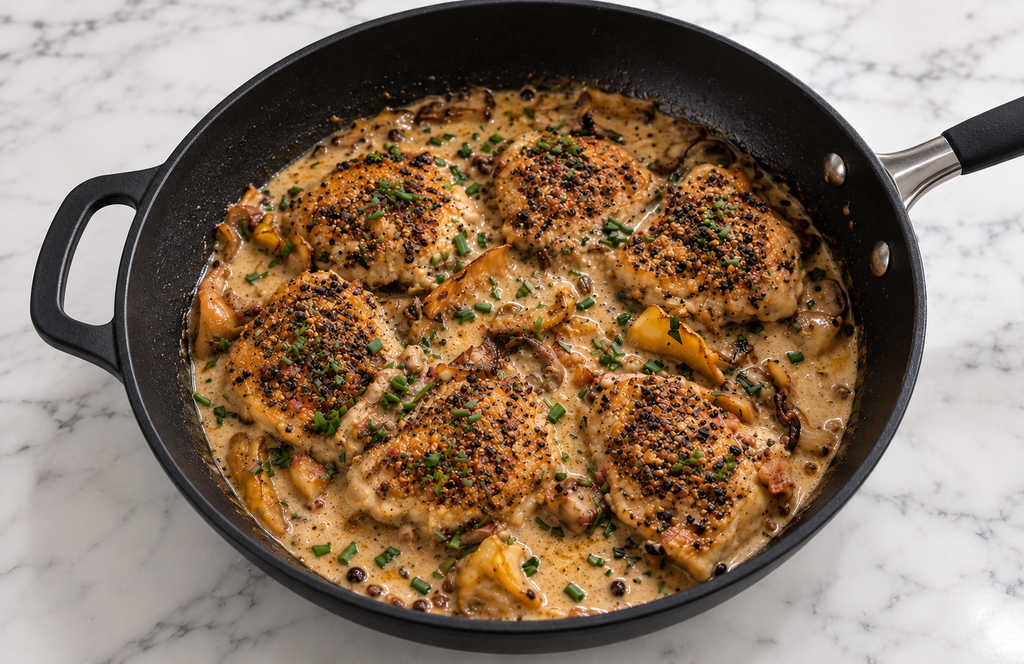
Take one look at Chicken au poivre and anybody would feel you slaved away in the kitchen! It is that fancy. Pound your chicken breasts thin, give them a good thick coating of coarsely cracked black pepper, then sear them pepper-side down until you get this fragrant crust – similar to the steak you have eaten at the restaurant. Once the chicken’s cooked through, let it rest.
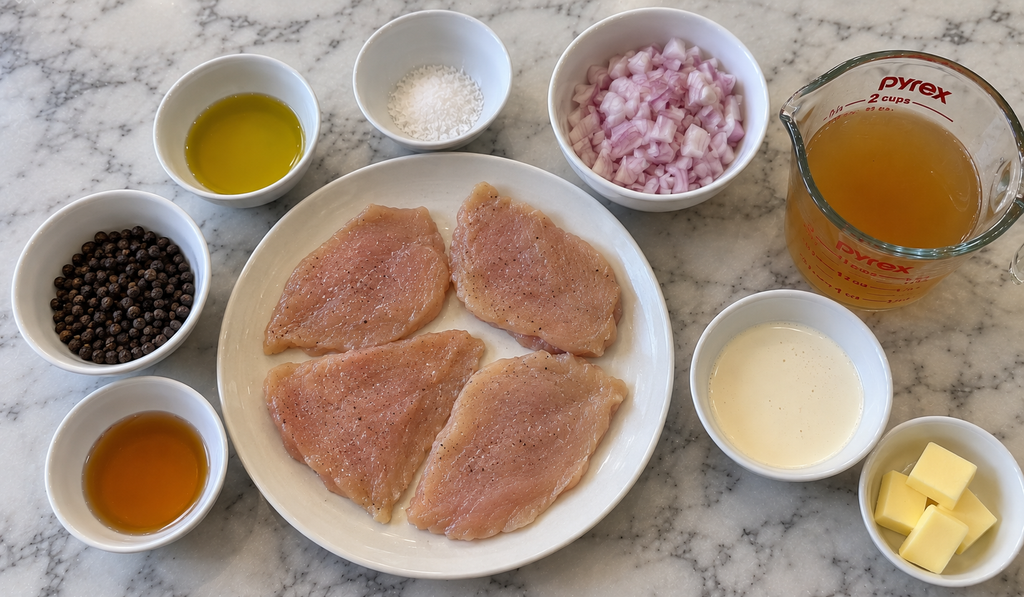
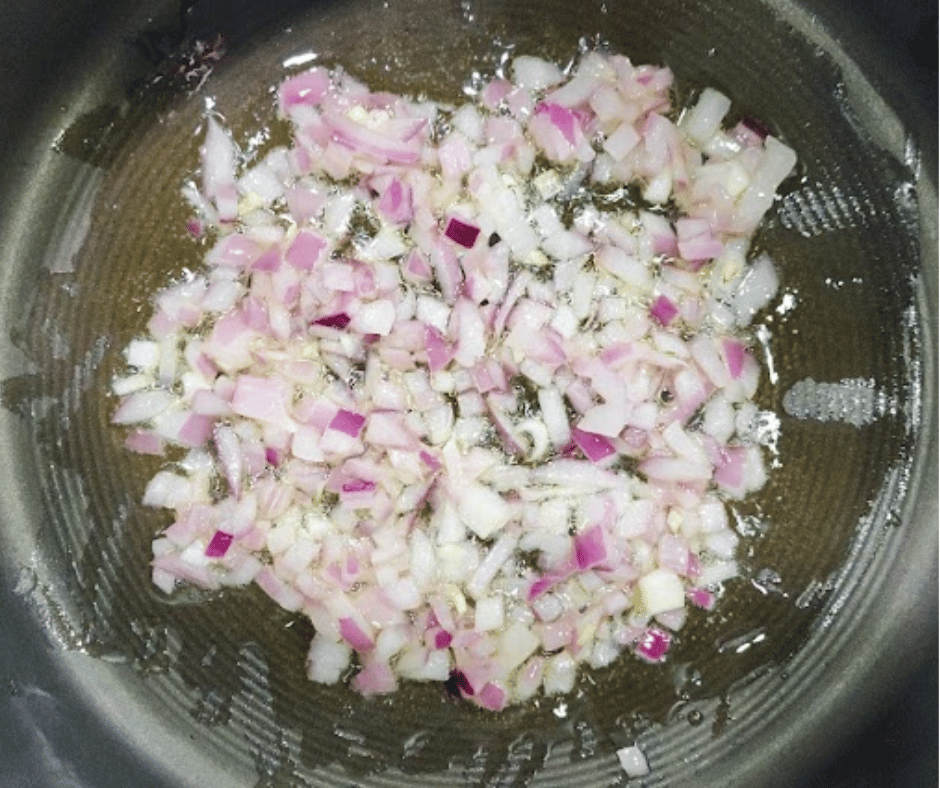
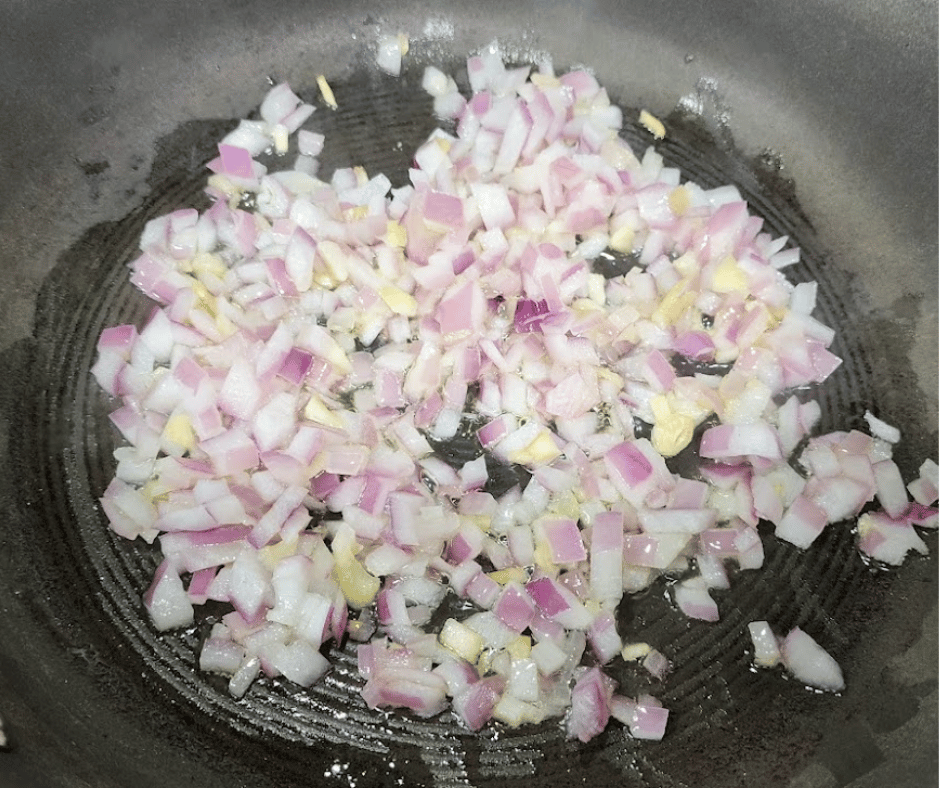
Meanwhile in the same pan, sauté some shallots and the garlic. Deglaze the brown bits stuck to the bottom of the pan with cognac (broth works, but won’t taste the same), and let the alcohol cook off. Anything else you need to add in, goes now. Turn off the heat and mix in the heavy cream till the sauce is velvety thick. Put the chicken back in and pour some sauce with the chicken. Optionally, sprinkle a bit of finely chopped parsley right before serving.
Choosing and Prepping Your Chicken
- You can make Chicken au poivre with a whole chicken, but boneless, skinless chicken breast pieces are the easiest route. They cook quickly, sear evenly, and keep cleanup simple. I personally love the tender juicy chicken breast meat with the au poivre sauce.
- Chicken tenders are also an excellent choice for this recipe. Just adjust cooking time so they stay tender and do not overcook. Other good options are chicken legs and drumsticks. I have made it with thigh meat and it was a hit.
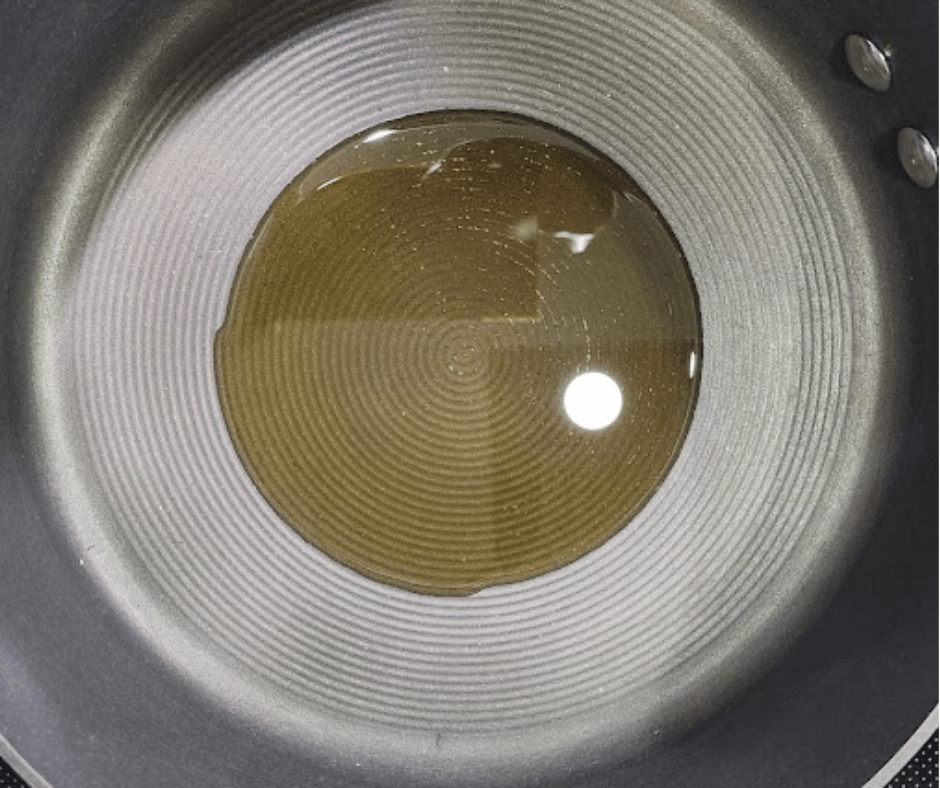
- A cast iron skillet is your best friend for this recipe. It holds and distributes heat evenly, giving you a deep, even crust on the chicken while also building up plenty of fond for the sauce.
Which pepper you use matters
- Black peppercorns, coarsely cracked, are the classic and most common choice. If you want to experiment, green peppercorns bring a brighter, slightly tangy note, while pink peppercorns add a subtle, faintly sweet and floral edge. I have even added white peppercorns for an earthy and spicy aftertaste.
The Sauce: Tips for Getting It Right
- No cognac or brandy on hand? Whiskey, rum, or bourbon all work as solid substitutes. The flavor will shift slightly depending on what you use, but the end result is still delicious. Don’t let a missing bottle stop you from making this.
- The real technique to focus on is scraping up the fond from the bottom of the pan as the liquor simmers, and letting the alcohol cook off fully before adding your shallots and garlic. Rushing this step is the most common mistake – give the alcohol a minute to reduce so you’re not left with a boozy overwhelming taste.
- Once the cream goes in and the sauce comes together, turn the heat to low. Taste and adjust your pepper and salt till just right. You can use creme fraiche instead of heavy cream as well for a thicker, more stable sauce.
Ways to Riff on the Sauce
Honestly, the sauce tastes like an elevated gravy, and it’s flexible enough to use in plenty of other ways
- Drizzle it over sliders or burgers instead of a classic sauce.
- Skip the chicken entirely and load the pan with mushrooms for a vegetarian-friendly version.
- Stir in cherry tomatoes or spinach for extra color, freshness, and a slightly different flavor profile.
What to Serve It With
Chicken au poivre goes really well with
- Honey-glazed carrots
- Creamy mashed potatoes
- Roasted baby potatoes
- Sweet potato fries
- Green beans
- Garlic bread to mop the sauce
Chicken au poivre proves that a classic French dish doesn’t have to be complicated or expensive to feel special. When it comes to home cooking, a hot skillet, a good crust of pepper, and a luxurious pan sauce can be just as good as Michelin stars!